Fintech
Balancing Growth and User Trust
5
minute read

During my time at a leading digital gold savings platform in India, I worked on growth initiatives aimed at increasing user engagement. One such initiative was a lucky draw incentive designed to encourage users to save gold and refer friends to the app.
Can chance based rewards drive engagement?

The hypothesis was simple: users might be more motivated by the chance to win a large reward (e.g., an iPhone or gold coins) than by an assured small reward (e.g., ₹15).
Experiment Variations

Referral-based participation – Users could enter by referring three friends who completed their first gold savings transaction.
Savings-based participation – Users could enter by saving ₹100 worth of gold, with further savings improving their chances of winning.
Results & User Behavior
The lucky draw successfully boosted engagement, particularly in referrals. However, in the savings-based experiment, users adjusted their spending habits rather than increasing overall investment—suggesting financial constraints.
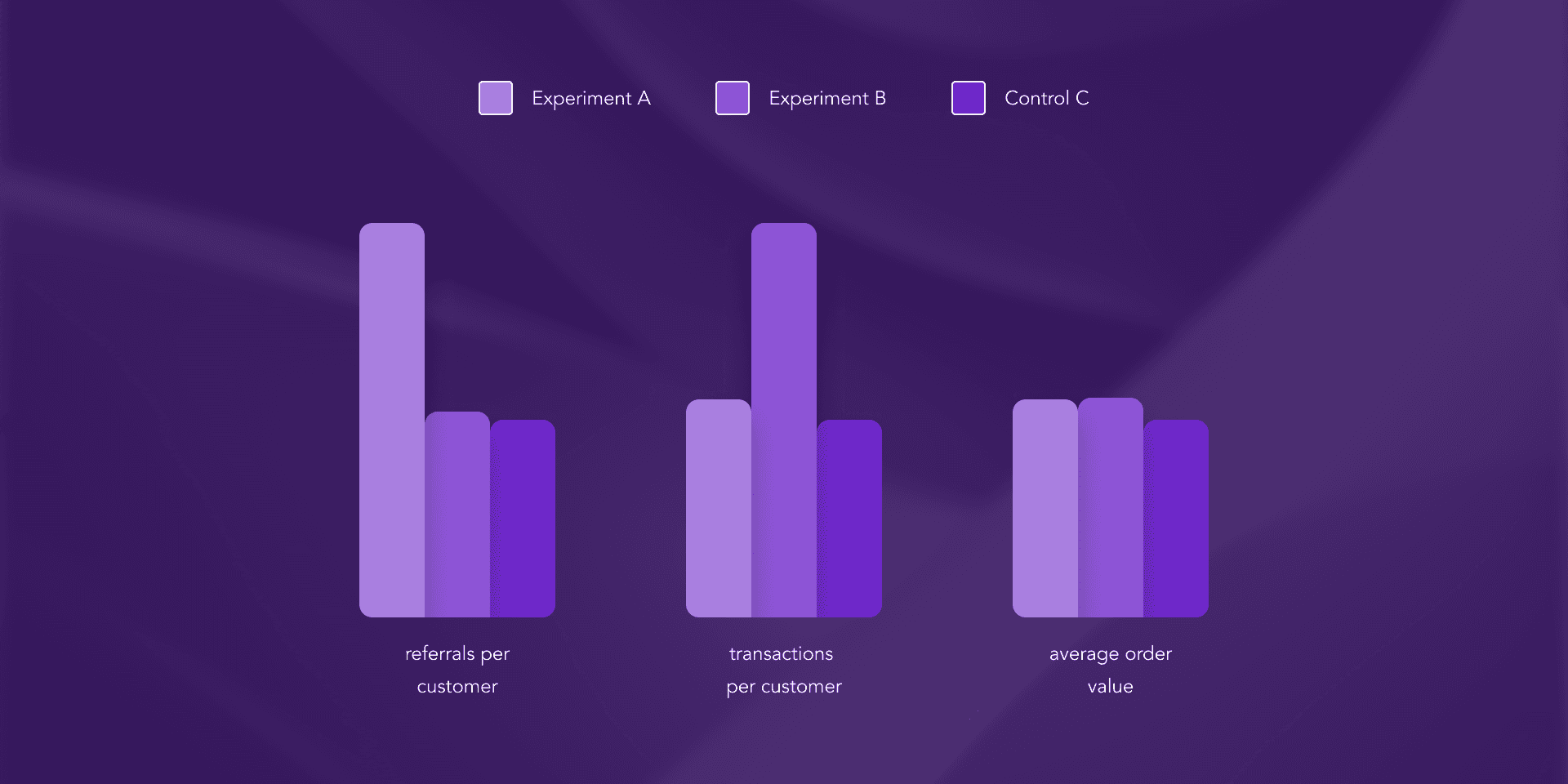
Experiment A | Experiment B | |
|---|---|---|
User Action | Referral-based participation | Savings-based participation |
Target Metric | Users making 3+ referrals/week | Transactions per user |
Improvement | +200% increase | +40% increase |
Guardrail | referral quality (no change) | GMV (+5%) |
Inference | The introduction of a goal & | While users were highly |
The Chicken-and-Egg Problem in Product Development
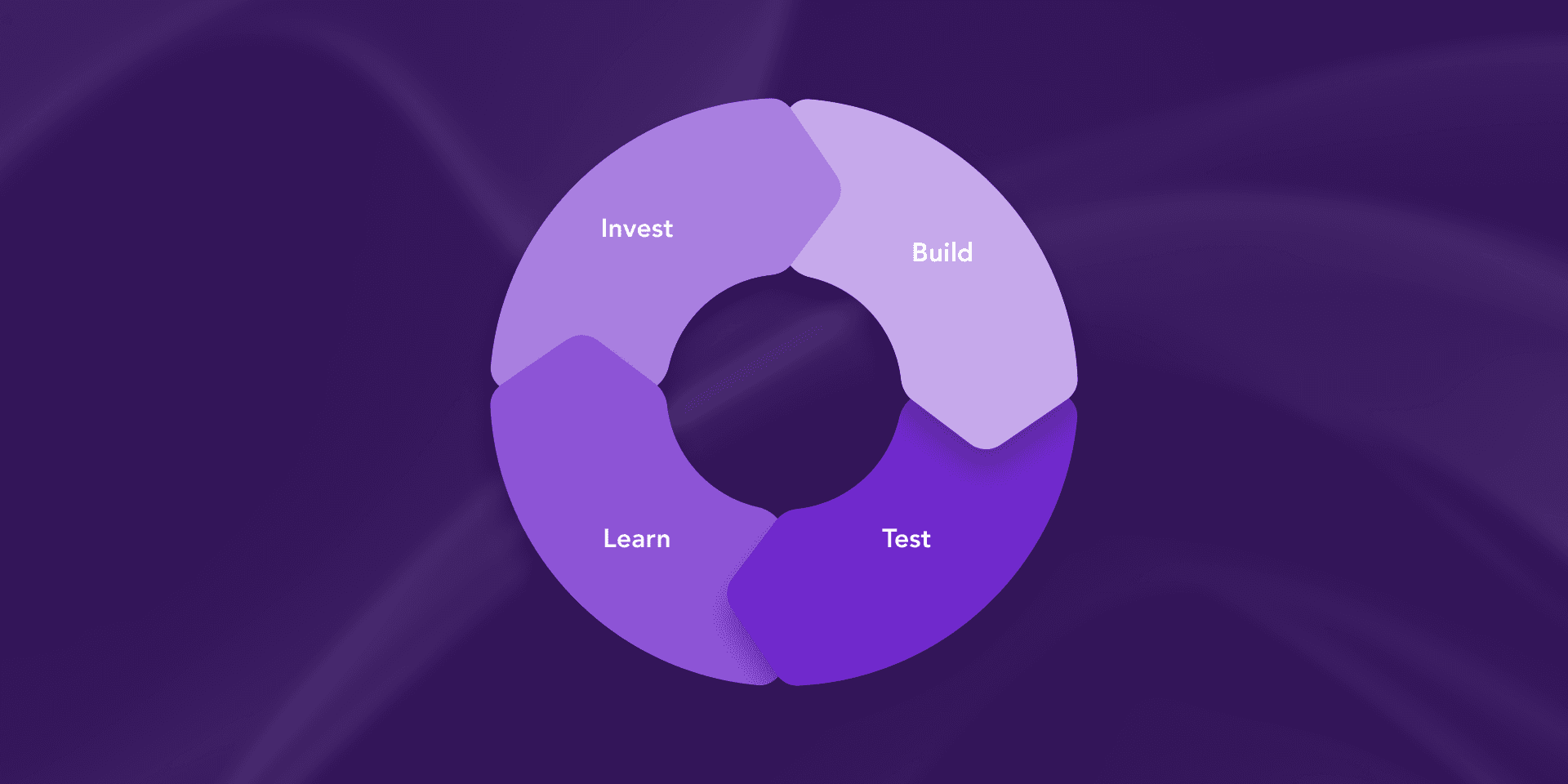
Growth teams often face a paradox:
How do you test a feature without risking resources? And how do you secure resources for an unproven feature?
Incentives require investment upfront, but stakeholders need proof of impact before committing resources. As a result, teams sometimes resort to temporary workarounds to validate concepts before scaling them.
In this case, the lucky draw was to be launched as an experiment without a pre-allocated budget for rewards. Additionally, to create a sense of community engagement, we considered displaying past winners. However, due to early-stage constraints, placeholder data was suggested instead of real winners.
Navigating Ethical Considerations

I raised concerns about transparency and fairness, advocating for securing a budget before launch. While my feedback was acknowledged, leadership decided to proceed. To ensure due diligence, I consulted the legal team, who found no regulatory violations but recommended removing AI-generated faces while keeping names.
The experiment went live with these modifications. While this addressed legal concerns, it left broader ethical questions unanswered—particularly around user trust in incentive-based features.
Reflections & Takeaways
This experience reinforced the importance of balancing growth incentives with user trust.
✅ Transparency matters – Users should have clear, accurate expectations about their chances of winning and the fulfillment of rewards.
✅ Legal ≠ Ethical – Compliance doesn’t always align with best practices for user trust.
✅ Advocacy is an ongoing process – Raising concerns doesn’t always lead to immediate change, but it helps shape long-term discussions.
While growth experiments can drive engagement, sustainable product success comes from building trust, not just short-term wins. Going forward, I believe incentive-based features should have clear guardrails, ensuring that business goals and user well-being are equally prioritized.